Understanding the Basics of Wärmepumpe Kaufen
Purchasing a Wärmepumpe (heat pump) can be a transformative decision for homeowners looking to improve energy efficiency, reduce heating costs, and embrace sustainable living. With rising energy prices and growing environmental awareness, understanding the ins and outs of wärmepumpe kaufen is essential. This comprehensive guide will walk you through the basics, helping you make an informed choice.
What is a Wärmepumpe?
A Wärmepumpe is a device that extracts heat from a source, such as the air, ground, or water, and transfers it to your home. This process can either heat your living space or provide hot water. The primary advantage of using a heat pump is its energy efficiency, as it moves heat rather than generating it through combustion. This technology is increasingly popular across various climates, especially in residential heating systems.
Types of Wärmepumpen Available
There are several types of Wärmepumpen, each suited to different settings and needs:
- Luft-Wasser-Wärmepumpe (Air-to-Water Heat Pump): This type extracts heat from the outside air. It is versatile and commonly used in residential homes.
- Erde-Wasser-Wärmepumpe (Ground-to-Water Heat Pump): Utilizing the stable temperature of the ground, this pump offers high efficiency, particularly in regions with colder climates.
- Wasser-Wasser-Wärmepumpe (Water-to-Water Heat Pump): This option draws heat from a water source, such as a lake or well, and is often used in larger buildings or homes.
Key Benefits of Using Wärmepumpen
The advantages of installing a Wärmepumpe extend beyond just cost savings. Key benefits include:
- Energy Efficiency: Wärmepumpen can be significantly more efficient than traditional heating systems. They can produce three to six units of heat for every unit of energy consumed, leading to lower energy bills.
- Environmental Impact: By using renewable energy sources, heat pumps reduce carbon emissions, making them an eco-friendly choice.
- Versatility: Wärmepumpen can provide both heating and cooling, making them suitable for year-round climate control.
Common Mistakes When Buying a Wärmepumpe
Despite their benefits, many potential buyers fall into common traps that can lead to dissatisfaction with their purchase. Here are key mistakes to avoid:
Ignoring Energy Efficiency Ratings
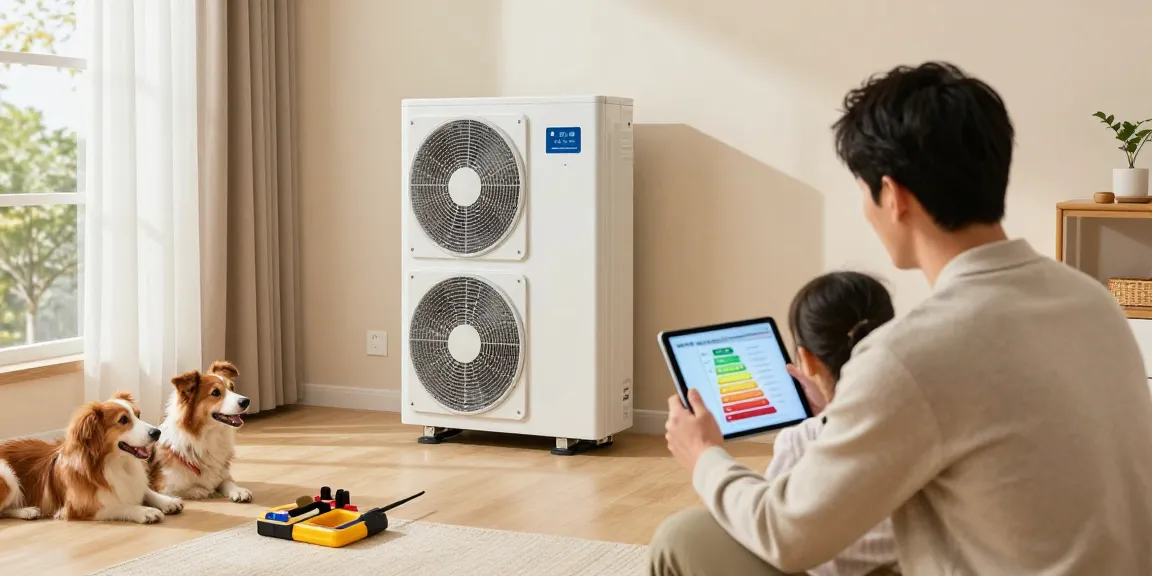
One of the most significant aspects of a Wärmepumpe is its energy efficiency rating, usually indicated by its coefficient of performance (COP). Ignoring this crucial rating can lead to selecting a unit that does not perform as expected, resulting in higher energy costs.
Neglecting Installation Requirements
Proper installation is essential for the optimal performance of a Wärmepumpe. Failing to consider the necessary space, ground conditions, and local regulations can complicate the installation process and lead to inefficiencies.
Overlooking Maintenance Considerations
Like any heating system, Wärmepumpen require regular maintenance to perform efficiently. Many buyers overlook maintenance needs or schedule, which can lead to reduced system efficacy over time.
How to Choose the Right Wärmepumpe for Your Needs
Selecting the right Wärmepumpe is pivotal to ensure you meet your heating and cooling needs efficiently. Here’s how to make the best choice:
Assessing Your Home's Energy Needs
Understanding your home's energy requirements is critical. Factors include the size of your home, insulation quality, and local climate conditions. A heat load calculation performed by a professional can help determine the right sizing for your system.
Comparing Brands and Models
Not all Wärmepumpen are equal. It’s essential to compare various brands and models, focusing on performance, reliability, and warranty terms. Look for products from reputable manufacturers that offer the latest technology in energy efficiency.
Understanding Warranty and Support Services
A strong warranty and responsive customer support can protect your investment. Ensure that you review the details of warranty coverage and support services provided by the manufacturer before making a final decision.
Cost Factors Involved in Wärmepumpe Kaufen
The cost of purchasing a Wärmepumpe can vary widely based on several factors. It's crucial to consider both initial and long-term costs.
Initial Purchase and Installation Costs
Wärmepumpen can have a higher initial purchase price compared to traditional heating systems. Factors influencing the cost include the type of heat pump, installation complexity, and additional equipment needed. It's advisable to obtain multiple quotes from different suppliers to ensure competitive pricing.
Long-term Operating Costs
While the initial investment may be steep, the operational efficiency of Wärmepumpen often leads to significant savings over time. An analysis of energy bills over the years will provide insight into long-term cost savings.
Incentives and Financing Options
Many countries and regions offer incentives for purchasing energy-efficient heating systems. Research available grants and financing options that can lessen the financial burden of acquiring a Wärmepumpe.
Future Trends in Wärmepumpen Technology
The Wärmepumpen market is evolving, with new technologies and practices on the horizon. Here are some trends to watch:
Advancements in Energy Efficiency
Future models are expected to sport improved energy efficiency ratings and features, possibly integrating smart technology for optimal control and monitoring.
Sustainable Practices in Production
As sustainability becomes paramount, manufacturers are exploring greener production methods to minimize the carbon footprint associated with Wärmepumpen manufacturing.
Market Predictions for 2026 and Beyond
Experts predict that the demand for Wärmepumpen will increase as homeowners and businesses alike emphasize sustainability and energy efficiency in their heating solutions. This trend will likely lead to more competitive pricing and diverse product offerings in the market.
What is the lifespan of a Wärmepumpe?
Generally, a well-maintained Wärmepumpe can last between 15 to 20 years. Regular maintenance can help maximize its lifespan and efficiency.
Are Wärmepumpen suitable for all climates?
While Wärmepumpen work best in moderate climates, advancements in technology have improved their performance in colder regions. It’s important to choose a model designed for your specific climate conditions.
How do I maintain my Wärmepumpe?
Regular maintenance, including checking filters, ensuring proper airflow, and scheduling professional inspections, will keep your Wärmepumpe running efficiently.
What are the installation requirements for a Wärmepumpe?
Installation requirements can vary depending on the type of heat pump chosen. Factors include adequate outdoor space, access to power, and compliance with local building regulations.
Can I get financial assistance for purchasing a Wärmepumpe?
Yes, many regions offer financial incentives for purchasing energy-efficient heating systems. Be sure to explore available grants, rebates, and tax credits to help offset initial costs.