Introduction to Sports Broadcasting
What is Sports Broadcasting?
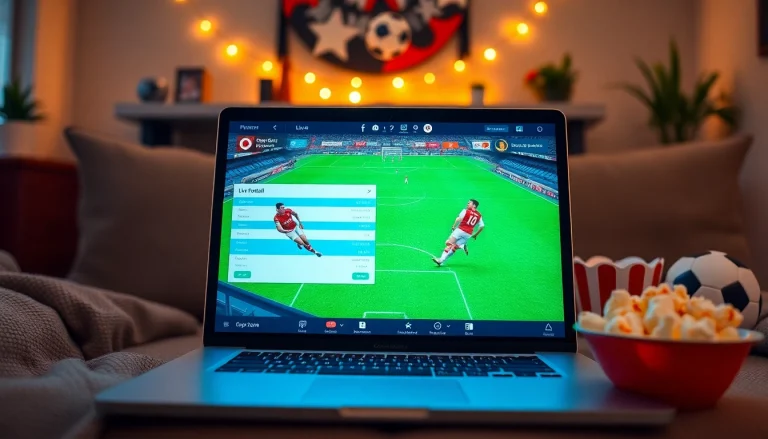
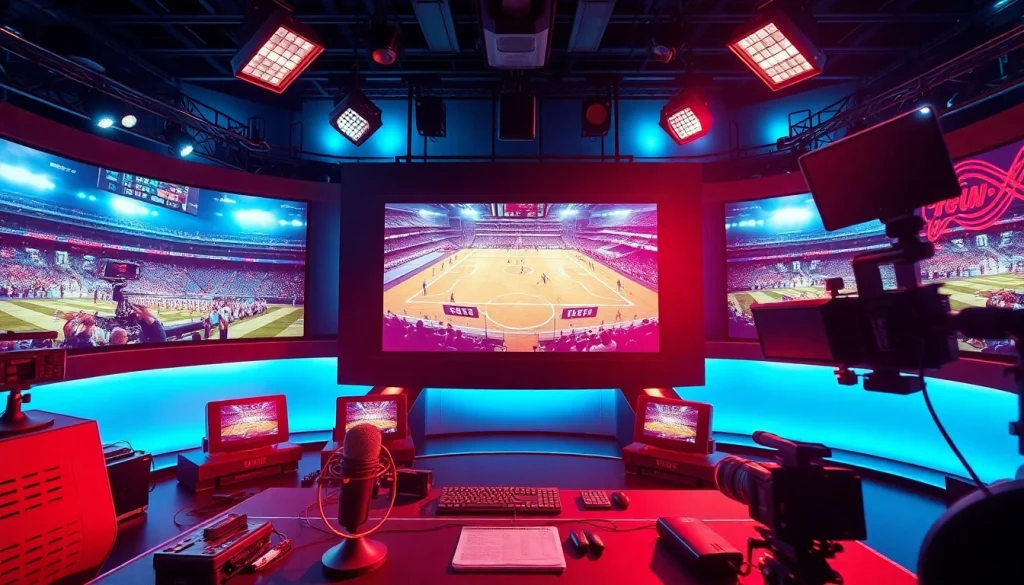
Sports broadcasting refers to the live coverage and commentary of sporting events via various media channels, including television, radio, and online platforms. It encompasses an array of activities, from play-by-play commentary to analytical discussions, pre-event shows, and post-game analysis. The aim is to provide audiences with immersive views of their favorite sports, teams, and athletes, enriching their viewing experience. With the rise of Sports Broadcasting technologies, this field has evolved significantly, integrating advanced analytics, interactive elements, and diverse formats to cater to a growing audience base.
Importance of Sports Broadcasting
The importance of sports broadcasting extends beyond mere entertainment. Firstly, it serves to connect fans with their favorite sports and teams, providing a communal experience that transcends geographical boundaries. Sports broadcasts offer coverage that allows fans to engage with the game, follow detailed statistics, and enjoy expert commentary. Additionally, for athletes and teams, effective broadcasting ensures visibility, sponsorship opportunities, and a wider fan base—essential aspects in today’s competitive sports landscape.
Overview of Broadcasting Formats
Sports broadcasting can be categorized into several formats, each serving unique audience preferences and technological capabilities:
- Live Television: Traditional and still prevalent, catering to a vast audience with production quality that enhances the viewing experience.
- Radio Broadcasts: Ideal for audiences on the go, offering detailed commentary and insights without visual elements.
- Streaming Services: The growing trend towards on-demand sports viewing allows fans to watch events at their convenience, often with additional interactive features.
- Social Media Platforms: Increasingly popular, providing real-time updates, highlights, and fan interaction.
Key Skills for Sports Broadcasting Professionals
On-Air Presentation Techniques
The on-air presence of broadcasters is crucial. This includes mastering vocal delivery, pacing, clarity, and the ability to engage with viewers through authentic and enthusiastic commentary. Communicating excitement and nuance of the game plays a pivotal role in connecting with the audience. Practicing technique through mock broadcasts and seeking feedback can significantly enhance one’s presentation skills.
Technical Skills in Broadcasting
Technical fluency is essential in sports broadcasting. Professionals should be adept at using audio-visual equipment, understanding the broadcasting software, and managing live feeds. Familiarity with graphics systems that display statistics and scores is a plus. This multifaceted knowledge not only enhances on-screen performance but also facilitates smoother operations behind the scenes.
Storytelling in Sports Broadcasting
Storytelling remains at the heart of effective sports broadcasting. Successful broadcasters weave narratives that capture the audience’s interest, from athlete backgrounds to the history of rivalries. Utilizing emotional nuances within games, human stories, and statistics creates a richer context for the event. Mastering the art of storytelling can distinguish a good broadcast from a great one.
Building a Successful Sports Broadcasting Career
Career Pathways in Sports Broadcasting
A career in sports broadcasting opens multiple pathways, including roles as a play-by-play announcer, color commentator, sideline reporter, and sports journalist. Many professionals begin with internships in radio or television, where they gain valuable hands-on experience. Pursuing a degree in journalism or communication also serves as a solid foundation, providing essential skills and knowledge for a successful career.
Networking and Industry Connections
Networking is a vital component of advancing a career in sports broadcasting. Attending industry seminars, participating in workshops, and joining professional associations can create valuable connections. Building relationships with industry professionals can provide mentorship opportunities and insights into job openings, setting aspiring broadcasters apart in a competitive landscape.
Creating a Portfolio
A well-crafted portfolio is indispensable for anyone pursuing a sports broadcasting career. This portfolio should include clips of past broadcasts, written articles, and any relevant work demonstrating your skills and versatility. In a digital age, having an online presence showcasing your work on platforms like LinkedIn or personal websites can significantly enhance your visibility to potential employers.
Innovations in Sports Broadcasting
Emerging Technologies
Technological innovations are reshaping the landscape of sports broadcasting. From augmented reality (AR) to virtual reality (VR), broadcasters are enhancing the viewing experience significantly. These technologies allow for immersive experiences that Make viewers feel as if they are part of the event, not just observers. Such advancements are likely to become more mainstream as they pave the way for deeper audience engagement.
Impact of Streaming Services
The advent of streaming services has dramatically disrupted traditional sports broadcasting models. With platforms offering customized viewing experiences, users can access sports content on-demand, allowing them to watch games and shows at their own convenience. This shift has forced traditional broadcasters to adapt by offering more flexible viewing options, often leading to partnerships with streaming services to reach wider audiences.
Future Trends to Watch
As the sports broadcasting landscape continues to evolve, several trends are worth monitoring. These include the growth of personalized content driven by artificial intelligence (AI), the increasing importance of social media engagement for real-time interaction, and the anticipated rise of e-sports broadcasting as a mainstream avenue. Staying ahead of these trends will be crucial for professionals aiming for lasting success in the industry.
Measuring Success in Sports Broadcasting
Key Metrics for Performance
Measuring the success of sports broadcasting involves analyzing several performance metrics. Audience ratings, viewer engagement, and social media interactions are key indicators of how well a broadcast resonates with viewers. Additionally, understanding demographic data can help tailor content to meet the expectations and preferences of target audiences, ensuring relevant and appealing broadcasts.
Audience Engagement Strategies
Effective audience engagement strategies can significantly enhance viewer retention. These can include interactive polls during live broadcasts, fan forums, and behind-the-scenes footage that provides an insider perspective. Creating content that encourages audience participation fosters a sense of community and loyalty, driving further viewership over time.
Feedback and Continuous Improvement
Feedback is a critical component of success in sports broadcasting. Actively seeking and analyzing viewer feedback can lead to improvements in content and presentation styles. Using focus groups or online surveys can provide valuable insights. Continuous refinement of skills based on constructive criticism ensures broadcasters stay relevant and effective in an ever-evolving industry.
Frequently Asked Questions
What qualifications do I need for a career in sports broadcasting?
A bachelor’s degree in journalism or communication is common. Practical experience through internships is also crucial for building essential skills.
How can I start my career in sports broadcasting?
Begin by gaining experience through internships at local media outlets, participating in college radio or TV, and creating an online portfolio showcasing your work.
What are some key skills for a successful sports broadcaster?
Essential skills include strong communication, storytelling ability, technical proficiency with broadcasting equipment, and on-air presentation techniques.
How has streaming changed sports broadcasting?
Streaming has transformed the industry by providing customizable content, allowing viewers to watch on their schedule, and forcing traditional broadcasters to adapt.
What metrics are important in sports broadcasting performance?
Key metrics include audience ratings, viewer engagement levels, social media interactions, and demographic data to tailor content effectively.